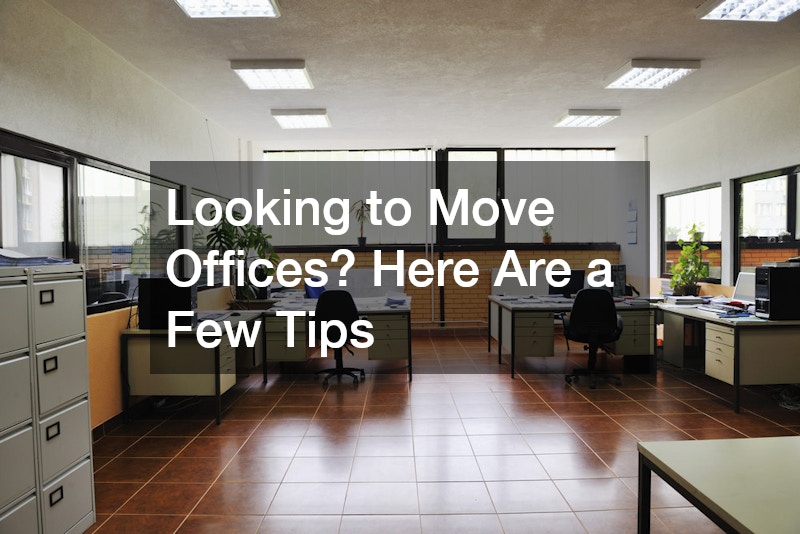
Relocating an office is a major milestone for any business, whether it reflects growth, restructuring, or a shift in long-term goals. While moving to a new space can bring excitement and fresh energy, it also introduces logistical challenges that can disrupt operations if not handled carefully. From budgeting concerns to employee comfort, every decision made during an office move plays a role in how smoothly the transition unfolds. Planning ahead and understanding what to prioritize can help reduce stress and prevent costly mistakes.
An office move affects more than just furniture and equipment. It can impact employee morale, client accessibility, daily workflows, and even a company’s public image. Choosing the right location, evaluating the condition of the building, and coordinating professional services all contribute to whether the new space supports productivity or creates new obstacles. Businesses that rush the process often encounter unexpected delays, budget overruns, or compliance issues that could have been avoided with better preparation.
This guide breaks down essential considerations for businesses preparing to relocate offices. By addressing budgeting, location planning, building readiness, and move coordination, these tips aim to provide clarity during a complex process. With the right approach, an office move doesn’t have to feel overwhelming—it can become a strategic step toward a more efficient, comfortable, and scalable workspace.
Budget the Move
Financial planning sets the tone for an entire office relocation, and without a detailed approach, costs can quickly get out of control. An office move involves far more than packing boxes and signing a new lease. Expenses may include renovations, upgraded technology, professional services, downtime, and compliance requirements. Establishing a clear budget early allows decision-makers to prioritize spending, anticipate challenges, and avoid rushed financial choices that can derail the process.
A comprehensive budget should account for both predictable and unexpected costs. While rent, deposits, and furniture are easy to identify, expenses such as temporary storage, IT reconfiguration, insurance adjustments, and transition-related productivity losses are often underestimated. Collaborating with accounting services helps businesses analyze cash flow, allocate resources strategically, and ensure the move aligns with annual financial planning rather than becoming an unplanned strain.
Looking beyond the move itself is equally important. Smart budgeting considers long-term operational efficiency, not just immediate affordability. Investments in durable infrastructure, flexible layouts, and scalable systems may require higher upfront spending but can significantly reduce recurring costs. When budgeting is treated as a long-term strategy, an office move becomes an opportunity to strengthen financial health rather than introduce ongoing instability.
Team-Friendly Area

Selecting a location that supports employee well-being is a critical yet often overlooked aspect of office relocation. A team-friendly area influences how employees feel about their workday, from the moment they commute to how they spend breaks and meetings. When a location feels inconvenient or isolating, morale can suffer, even if the office itself is well-designed.
Evaluating the surrounding neighborhood means considering more than just proximity to highways or transit. Access to dining, services, and informal meeting spaces plays a role in daily satisfaction. Being near the best business lunch options can make client meetings smoother, encourage team interaction outside the office, and add flexibility to busy schedules without disrupting productivity.
Over time, location choices directly affect retention and recruitment. Employees increasingly weigh commute time and neighborhood amenities when evaluating job opportunities. Choosing a location that enhances daily comfort signals that leadership values its workforce, creating a more engaged and motivated team that adapts more easily to change.
Check Outdoor Space
Outdoor conditions shape first impressions and influence everyday functionality in ways many businesses underestimate. Parking, walkways, lighting, and accessibility all affect how employees and visitors interact with the space before entering the building. Neglecting these factors can lead to safety concerns, accessibility challenges, or frustration during peak hours.
A careful assessment of exterior areas helps identify necessary improvements before move-in. Cracks, drainage issues, poor lighting, or limited access points may require attention to meet safety and usability standards. In many cases, parking lot paving becomes a critical consideration to ensure smooth traffic flow, prevent vehicle damage, and reduce liability risks.
Well-maintained outdoor spaces also reinforce professionalism and brand perception. A clean, organized exterior communicates reliability and attention to detail. Investing in outdoor improvements creates a safer environment, improves convenience, and enhances how the business is perceived by clients, partners, and employees alike.
Review Power Needs

Electrical infrastructure is a foundational element of any modern office, supporting everything from daily workflows to long-term growth. Inadequate power capacity can cause disruptions, limit technology use, and create safety hazards. Reviewing power needs before relocating helps ensure the new space can support both current operations and future expansion.
An effective evaluation includes reviewing panel capacity, wiring condition, outlet placement, and compliance with local codes. As businesses rely more heavily on technology, power demands increase, making it essential to identify limitations early. Certified electricians provide the expertise needed to assess risks, recommend upgrades, and ensure the space is prepared for modern operational demands.
Planning electrical needs in advance also supports better space design. Strategic outlet placement, efficient lighting, and system integration reduce clutter and improve workflow. A properly powered office allows employees to work without interruption, creating a more productive and dependable environment from day one.
Front Entry Safety
The front entry of an office is both a functional access point and a symbolic introduction to the business. It affects how safe employees feel arriving and leaving, as well as how clients perceive professionalism and credibility. A neglected or outdated entry can undermine confidence before anyone steps inside.
Evaluating doors, windows, and entry systems is essential when assessing a new space. Storefront glass must balance visibility, durability, and security, while meeting safety standards. Weak framing, damaged materials, or outdated designs can pose risks and lead to higher maintenance costs over time.
A secure, well-designed front entry supports safety while reinforcing brand image. Investing in strong materials, modern access systems, and thoughtful design creates a welcoming yet protected environment. When the entryway is both safe and visually appealing, it sets a positive tone for every interaction that follows.
Lease Terms Matter

Choosing the right space involves more than finding a location that looks appealing or fits current needs. Lease terms shape how flexible and secure a business will be over time, making them a critical part of any office move. Details such as lease length, renewal options, escalation clauses, and maintenance responsibilities can significantly affect long-term costs and operational freedom.
When reviewing options for commercial property for rent, businesses should carefully examine how the lease aligns with future plans. Growth projections, staffing changes, and potential market shifts all influence whether a space will remain suitable. Clauses related to subleasing, early termination, or expansion rights can provide valuable flexibility, while restrictive terms may create challenges down the road.
Taking time to fully understand lease language helps prevent misunderstandings and costly disputes. Consulting legal and real estate professionals ensures obligations are clearly defined and negotiated fairly. A well-structured lease supports stability while allowing room for adaptation as the business evolves.
Sort What to Keep
An office move presents an ideal opportunity to evaluate what truly supports daily operations. Over time, businesses accumulate furniture, equipment, and supplies that may no longer serve a purpose. Sorting through these items before relocating reduces clutter and helps ensure the new space is efficient and intentional.
A thorough inventory allows teams to determine what should be moved, replaced, donated, or discarded. Outdated technology or damaged items may cost more to move than to replace, while essential tools should be assessed for condition and compatibility with the new layout. This process also clarifies storage needs and prevents overcrowding in the new office.
Reducing unnecessary items improves organization and lowers moving costs. It also encourages a fresh start, where the new space reflects current workflows rather than past habits. Thoughtful sorting leads to a cleaner, more productive environment from the first day of operation.
Plan Moving Day

Moving day is where preparation meets execution, and even small oversights can create major disruptions. Without a clear plan, businesses risk delays, damaged equipment, or extended downtime. Establishing a detailed schedule helps ensure each phase of the move happens in the correct sequence.
Coordinating logistics involves assigning responsibilities, labeling items clearly, and preparing employees for temporary disruptions. Hiring a reliable commercial moving company helps streamline transportation and reduce risk, especially when handling heavy furniture, sensitive equipment, or tight timelines. Clear communication between all parties keeps the process efficient and predictable.
Post-move planning is just as important as the move itself. Allowing time for setup, testing systems, and addressing unexpected issues helps teams settle in smoothly. A well-orchestrated moving day minimizes stress and allows operations to resume quickly in the new location.
Freshen the Space
A new office environment offers a rare opportunity to reset how a workspace looks and feels. The physical surroundings of an office influence employee mood, focus, and overall satisfaction, making visual updates more than a cosmetic choice. A refreshed space can signal a new chapter for the business, reinforcing optimism and helping teams feel energized rather than unsettled by the move.
Before move-in, businesses should evaluate surfaces such as walls, ceilings, trim, and common areas for wear or outdated finishes. Addressing these elements early prevents disruptions later and allows the space to feel complete from day one. Coordinating professional painting services during this stage ensures consistent coverage, proper preparation, and a finish that aligns with branding and long-term durability.
Beyond appearance, a refreshed space supports functionality and comfort. Thoughtful color selection can reduce eye strain, enhance concentration, or promote collaboration depending on how areas are used. Completing these updates before furniture and equipment arrive also saves time and avoids costly rework, allowing employees to transition into a workspace that feels intentional, polished, and ready for daily use.
Prep Custom Builds
Every office has unique operational demands, and standard layouts do not always accommodate specialized workflows or equipment. Preparing for custom builds allows businesses to shape the space around their actual needs rather than forcing operations to adapt to limitations. Early planning ensures these modifications enhance efficiency rather than delay occupancy.
Custom elements may include structural supports, reinforced workstations, storage solutions, or specialized fixtures that require precise fabrication. In cases where metal components or structural reinforcements are necessary, an industrial welder provides the expertise to create durable, custom-fit solutions that meet safety and performance standards. Coordinating this work early prevents conflicts with electrical, flooring, or finishing phases.
Investing in custom builds can deliver long-term value when executed thoughtfully. Tailored solutions improve space utilization, reduce future modifications, and support evolving business needs. By planning custom work in advance and integrating it into the overall relocation timeline, businesses create a workspace that is not only functional on day one but adaptable for years to come.
Relocating an office is a complex process that touches nearly every part of a business, but with the right approach, it can become a powerful opportunity rather than a disruption. From early budgeting decisions to final build-out details, each step plays a role in determining how smoothly the transition unfolds. A well-planned move minimizes downtime, controls costs, and allows teams to stay focused on their work even during periods of change.
Taking time to evaluate financial readiness, location suitability, and building infrastructure helps prevent costly surprises after the move is complete. Planning for power needs, exterior conditions, and safety features ensures the new space supports daily operations without unnecessary interruptions. At the same time, thoughtful attention to employee experience—such as commute convenience, surrounding amenities, and workspace comfort—helps maintain morale and engagement throughout the transition.
An office move also presents a valuable chance to reassess how space is used and how workflows function. Sorting inventory, refreshing interiors, and preparing for custom modifications allow businesses to design a workspace that reflects current needs rather than outdated habits. When these decisions are made intentionally, the new office becomes more than a physical upgrade—it becomes a strategic asset that supports productivity, collaboration, and long-term growth.
Ultimately, moving offices requires coordination, patience, and clear priorities. By addressing key considerations early and working with the right professionals, businesses can avoid common pitfalls and create a seamless transition for employees and clients alike. With careful planning and attention to detail, an office relocation can mark the beginning of a more efficient, adaptable, and future-ready workplace.