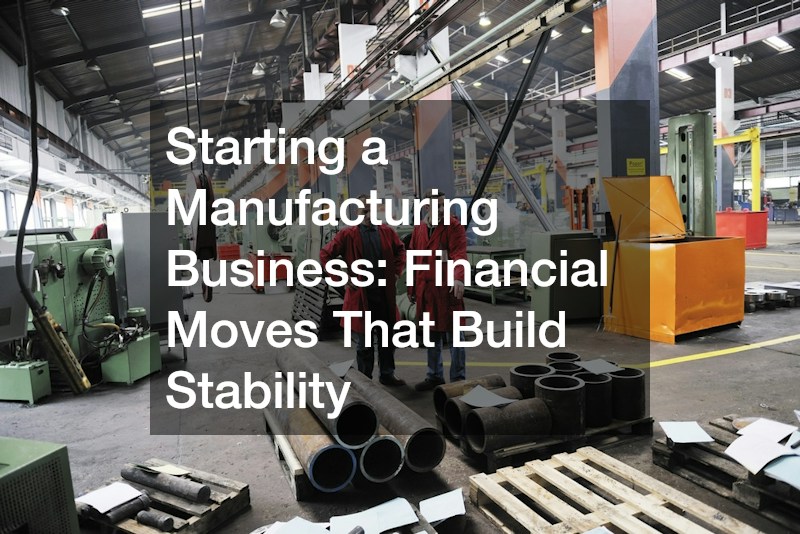
Starting a manufacturing business requires more than a strong product and a capable production team. From purchasing equipment and securing a facility to hiring employees and managing inventory, manufacturing startups face financial decisions that can shape their stability for years. Early spending needs to support immediate operations without creating unnecessary financial pressure. At the same time, owners need to prepare for changing demand, supply chain disruptions, maintenance costs, and unexpected challenges. Building a financially sound manufacturing company means thinking beyond opening day and creating systems that support sustainable growth.
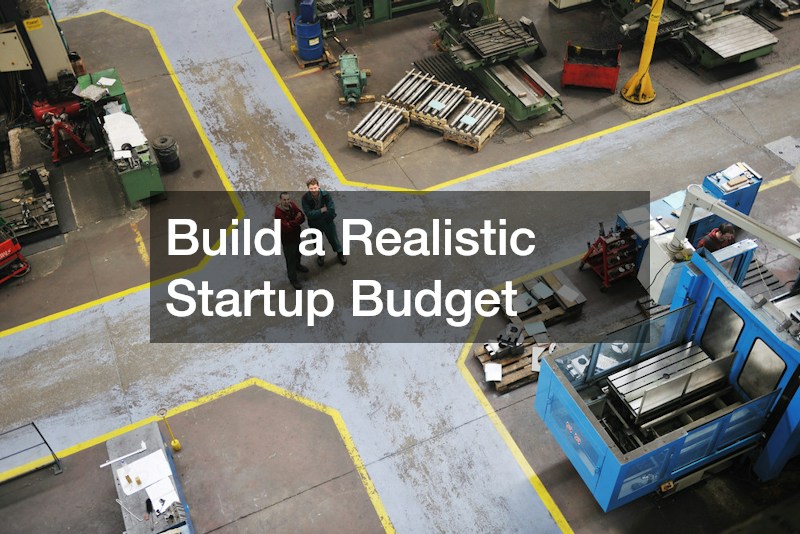
Build a Realistic Startup Budget
A detailed startup budget gives manufacturing entrepreneurs a clearer picture of how much capital they actually need. Expenses can include machinery, raw materials, facility improvements, utilities, payroll, insurance, transportation, technology, permits, and marketing. It is important to distinguish one-time expenses from recurring costs because a business may have enough money to open but not enough to sustain operations during its first year. Conservative estimates can also provide room for unexpected expenses. Building several financial scenarios, including optimistic, expected, and challenging outcomes, can help owners understand how much working capital they should retain before committing to major purchases.
Protect the Business From Financial Emergencies
Manufacturing businesses can encounter unexpected financial challenges, including equipment failures, major contract losses, lawsuits, supply interruptions, or sudden increases in operating expenses. Owners should understand what options may exist if financial difficulties become severe. Establishing relationships with advisors before a crisis occurs can make it easier to respond quickly if circumstances change. A bankruptcy lawyer can explain legal options available to businesses facing serious financial distress, although bankruptcy should not be viewed as the first solution to ordinary cash-flow challenges. The larger lesson is that contingency planning should be part of financial management from the beginning.
Track Inventory With Discipline
Inventory can tie up a substantial amount of working capital, especially when manufacturers purchase materials in large quantities to secure better pricing. While bulk purchasing may reduce unit costs, excess inventory can create storage expenses and increase the risk of materials becoming obsolete or damaged. Establish inventory targets based on actual production requirements, supplier lead times, and customer demand. Regular inventory counts and accurate digital records can help identify discrepancies before they become expensive problems. Entrepreneurs should also distinguish between raw materials, work-in-progress, finished goods, and obsolete stock when reviewing financial reports. Better inventory visibility can make purchasing decisions more strategic.
Invest in Strong Human Resources Practices
Employees are among a manufacturing company’s most important investments, but payroll is only one part of the financial equation. Hiring, onboarding, training, benefits, workplace policies, scheduling, and employee retention all influence operating costs. Small manufacturers may not initially have the resources for a large internal human resources department. Access to HR support for small businesses can help owners establish practical employment processes while reducing the likelihood of costly administrative mistakes. Clear policies and organized employee records can also create a more consistent workplace. Investing in sound HR practices can help a growing manufacturer manage its workforce without allowing administrative responsibilities to become overwhelming.

Calculate Transportation Costs Carefully
Transportation can become a significant expense when manufacturing businesses move raw materials into a facility and finished products to customers. Freight rates, fuel costs, delivery distances, loading requirements, and scheduling all influence the true cost of moving goods. Instead of focusing only on quoted shipping prices, entrepreneurs should calculate transportation expenses as part of the total cost of producing and delivering each product. Comparing local trucking companies can also help manufacturers understand available service levels and pricing structures. Reliable transportation is valuable, but the most expensive option is not necessarily the most dependable. Developing several transportation relationships can also provide flexibility when demand or delivery requirements change.
Plan Warehouse Space Around Efficiency
Warehouse organization affects both productivity and costs. Poorly arranged inventory can increase picking time, create safety concerns, and make it harder to determine what materials are actually available. Before filling a facility with storage equipment, manufacturers should consider product dimensions, inventory turnover, employee movement, and future growth. Warehouse pallet racks can provide vertical storage capacity and help businesses make better use of available floor space when appropriately selected and installed. The goal is not simply to maximize storage but to create an organized system that allows employees to access materials efficiently. Good warehouse planning can reduce wasted space while supporting smoother production and fulfillment.
Choose a Facility With Long-Term Costs in Mind
The cost of a manufacturing facility extends beyond rent or a mortgage payment. Property taxes, utilities, maintenance, security, repairs, landscaping, waste management, and common-area expenses can all affect the monthly budget. Entrepreneurs should understand exactly what is included in a lease or property agreement before signing. If the business operates in a shared or professionally managed industrial property, commercial property management may handle certain building services and maintenance responsibilities. Understanding those arrangements helps owners avoid unexpected expenses. Facility selection should also consider transportation access, expansion potential, zoning, utility capacity, and proximity to employees and suppliers.
Use Technology Where It Improves Financial Visibility
Technology can help manufacturing owners understand what is happening across production and finances. Accounting software, inventory systems, production management platforms, and customer relationship tools can reduce manual data entry and make important information easier to access. The goal should not be to purchase technology simply because it is new. Each system should solve a specific operational or financial problem. Before investing, entrepreneurs should calculate implementation costs, subscription fees, training requirements, and expected benefits. Technology that improves inventory accuracy, production planning, scheduling, or financial reporting can become especially valuable as the company grows.

Budget for Employee Benefits
Attracting and retaining qualified manufacturing employees can become increasingly difficult as a company grows. Compensation is important, but benefits can also influence whether candidates view a position as a long-term opportunity. Entrepreneurs should account for benefits when calculating the true cost of each employee rather than treating them as an afterthought. Health insurance for employers can represent a significant expense, particularly as the workforce expands. Comparing available plans and understanding employer contribution requirements can help businesses make informed decisions. Benefits should fit the company’s financial capacity while supporting a competitive overall employment package.
Manage Cash Flow Separately From Profit
A profitable manufacturing company can still experience cash-flow problems. Customers may take weeks or months to pay invoices while suppliers, employees, landlords, and utilities require timely payments. Owners should therefore track when money is expected to arrive and when major expenses are due. Negotiating reasonable payment terms with suppliers and establishing clear customer payment policies can improve cash flow. A rolling cash-flow forecast can help identify potential shortfalls before they occur. Maintaining an appropriate cash reserve is also valuable because manufacturing expenses can fluctuate significantly from month to month.
Establish Strong Legal Foundations
Legal planning is another financial consideration that should happen before manufacturing operations become complicated. Business structure, contracts, intellectual property, leases, employment matters, supplier agreements, and customer relationships can all create legal obligations. Working with a business lawyer can help an entrepreneur understand these issues and establish appropriate agreements. Clear contracts can reduce confusion about payment terms, product specifications, warranties, delivery responsibilities, and other important expectations. Legal guidance can be particularly valuable when a startup begins working with larger customers or suppliers that use complex commercial agreements. Preventing avoidable disputes can ultimately protect both time and money.
Build Relationships With Financial Professionals
Manufacturing finances can become increasingly complex as revenue grows and the company adds employees, equipment, facilities, customers, and suppliers. Entrepreneurs may benefit from establishing relationships with accounting, financial, insurance, and legal professionals who understand business operations. These advisors can provide perspective when owners are evaluating major purchases, financing options, expansion plans, or tax considerations. Regular financial reviews can also reveal trends that may not be obvious during the day-to-day rush of production. The purpose is not to outsource every financial decision but to make major decisions with reliable information and appropriate guidance.

Explore Manufacturing Development Opportunities
Manufacturing businesses can sometimes benefit from economic development initiatives designed to encourage investment, innovation, workforce growth, or modernization. Entrepreneurs should research programs available through state, regional, and local economic development organizations before assuming that all financing must come directly from company funds. Programs associated with smart manufacturing economic development may be particularly relevant to businesses investing in automation, connected equipment, advanced production methods, or other technologies. Eligibility requirements vary considerably, so owners should evaluate each opportunity carefully. Grants, incentives, training programs, and other resources may help reduce the financial burden associated with qualifying investments.
Compare Equipment Purchases With Leasing
Manufacturing equipment can represent one of the largest startup investments. Machinery may be essential for production, but purchasing everything immediately can consume capital that the business needs for payroll, inventory, marketing, and unexpected expenses. Entrepreneurs should compare purchasing, leasing, financing, and other acquisition options based on total cost rather than focusing only on the initial payment. Equipment lifespan, maintenance requirements, resale value, production volume, and technology changes should all be considered. A machine that is affordable to acquire may not be the most economical choice if it becomes outdated quickly. Conversely, financing an important long-term asset may make sense when the equipment is expected to remain productive for many years.
Understand the Value of Specialized Suppliers
Manufacturing startups often rely on outside companies for materials, components, machining, finishing, packaging, maintenance, and other production needs. Establishing reliable supplier relationships can help prevent disruptions, but entrepreneurs should also examine pricing, minimum order requirements, payment terms, and lead times. Working with specialized fabrication companies may allow a manufacturer to outsource certain production requirements rather than purchasing specialized machinery immediately. This can be particularly useful during the early stages when production volumes are still developing. However, outsourcing should be evaluated carefully so that quality, delivery schedules, intellectual property, and total production costs remain under control.
Make Safety Part of the Financial Plan
Workplace safety should never be treated as an expense that can simply be postponed until the company becomes profitable. Manufacturing environments may involve machinery, chemicals, moving materials, elevated storage, heat, noise, and other hazards. Appropriate safety equipment should be included in the initial operating budget along with employee training, inspections, maintenance, and other safety-related expenses. Investing in prevention can help reduce the potential financial impact of workplace injuries, damaged equipment, production interruptions, and regulatory problems. A safe facility can also contribute to employee confidence and retention. Building safety into the company’s financial planning demonstrates that protecting employees is part of responsible business management.
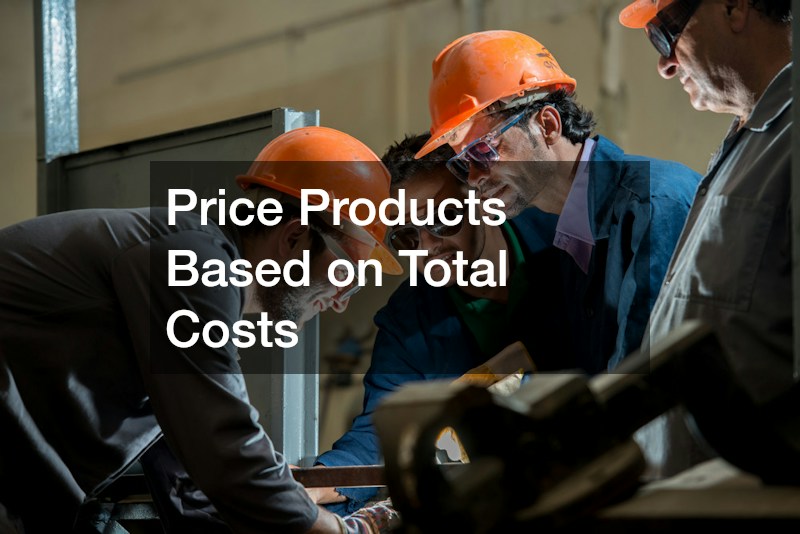
Price Products Based on Total Costs
Setting a product price based only on material and direct labor costs can leave manufacturers with surprisingly small margins. Pricing should account for facility expenses, equipment depreciation, maintenance, utilities, insurance, transportation, administrative costs, waste, packaging, and other overhead. Owners should understand the contribution margin of individual products and identify which offerings provide the strongest financial performance. Costs should also be reviewed periodically because supplier prices and operating expenses can change. Accurate cost accounting helps manufacturers make better decisions about product lines, customer contracts, production volumes, and expansion.
Prepare for Maintenance and Downtime
Production equipment eventually requires maintenance, and unexpected breakdowns can be expensive. Preventive maintenance should therefore be included in the operating budget rather than treated as an optional expense. Manufacturers should track equipment service schedules, replacement parts, warranty coverage, and expected repair costs. It can also be useful to identify which machines represent the greatest operational risk if they fail. Setting aside funds for maintenance can reduce the temptation to postpone necessary service. Planning for downtime also allows the business to consider backup equipment, alternate suppliers, or contingency production arrangements when appropriate.
Keep Expansion Connected to Demand
Growth can be exciting, but expanding too quickly can put pressure on a manufacturer’s finances. Purchasing a larger facility, hiring additional employees, or acquiring expensive machinery before demand is established can create fixed costs that are difficult to support during slower periods. Expansion decisions should be tied to measurable customer demand, production capacity, cash flow, and realistic sales forecasts. Entrepreneurs should also consider whether existing processes can be improved before adding more capacity. Sustainable growth often comes from strengthening the current operation before taking on substantially greater financial obligations.
Starting a manufacturing business requires careful financial planning at every stage. By prioritizing stability before rapid expansion, manufacturing entrepreneurs can create a stronger foundation for sustainable success.